|
-
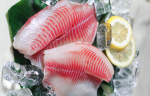
Brazil's tilapia market enters the low-temperature season: prices remain firm, export volume experiences seasonal correction!As winter approaches in the Southern Hemisphere, Brazil's tilapia industry has demonstrated a robust market performance. According to the latest industry report released by the Brazilian Center for Advanced Studies in Applied Economics (CEPEA), the prices of tilapia in the country's main producing regions remained stable overall from May to June, showcasing strong market resilience.
-
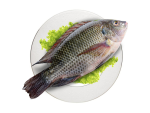
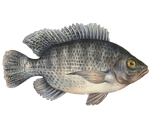
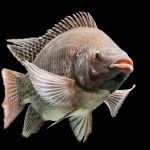
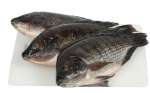
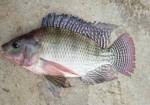
In China, the term "tilapia" commonly refers to a general designation for several farmed tilapia fish species, including: Tilapia, Nile tilapia, Blue tilapia [Oreochromis aureus], Mozambique tilapia [Oreochromis niloticus], Red tilapia [Red Tilmpa], Galilean tilapia [Sarotherodon galilaeus], Marine tilapia, GIFT tilapia, New GIFT tilapia, Zill's tilapia, Nile tilapia (Oreochromis niloticus × Oreochromis aureus), Mud carp
-
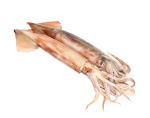
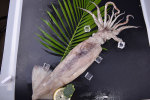
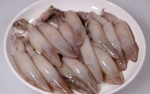
The global squid industry stands as one of the most dynamic sectors in seafood trade. Driven by sustained consumer demand for high-protein, low-fat, and versatile squid products, the global squid market size is projected to exceed $13 billion in 2024.
-
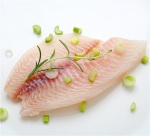
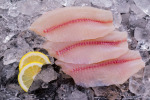
Local big tilapia producer mainly exports frozen tilapia fillets and gutted&scaled tilapia. Affected by the international situation, the original main export markets are highly competitive and the number of tilapia orders is limited too.
-
First of all, the United States has very low domestic tilapia production, so it imports tilapia from China, Vietnam, and several South American countries every year. Among them, China is the main source of tilapia consumed in the United States. The large production of tilapia mainly stems from the fact that tilapia is simply an "Od Biao among fish" – it basically endures any hardship and keeps "persevering through hardships".
-
New data from Argentina's Ministry of Agriculture and Fisheries shows that the 2025 Illex Argentine squid fishing season concluded successfully, with total catches exceeding 185,000 tons—the highest record in nearly twelve years. Behind this remarkable performance lies the dual support of booming international squid market demand and scientific fisheries management.
-
Maonan District Holds Launch Conference for Tilapia Producer Insurance Project! Financial Support Empowers the "One Tilapia Fish" Industry to Grow Stronger
-
In the main tilapia producing areas in southern China, prices have shown a differentiated trend, forming a pattern of "Guangxi up, Guangdong down, Hainan stable".
-
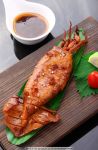
In Rongcheng City, squid is not only an ingredient, but also a symbol of culture. From fishing to processing, every link reveals the persistence in quality and respect for tradition. Most squid suppliers are here. Here, you can taste the most authentic and pure squid delicacies, and every bite is the ultimate challenge to the taste buds.
-
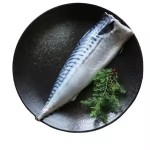
Affected by quota reduction, tight inventory and exchange rate fluctuations, the price of Norwegian Atlantic mackerel is expected to further rise by 20%-30% in the 2025-2026 fishing season, and may even exceed the historical high set last year. This trend will have a significant impact on the seafood consumption pattern in major Asian import markets, especially South Korea, China and Japan.
-
Argentine and adjacent international waters are critical zones for Illex argentinus, a key species in the global squid market
Meanwhile, strong catches of Illex squid in the Argentine EEZ and surrounding international waters have further contributed to global supply pressure. These favorable fishing conditions are adding to China's growing inventories and compounding the decline in wholesale prices for deep-sea squid, particularly larger grades
-
China is the world's leading tilapia producer, but the U.S. remains its largest consumer market, importing vast quantities from China.
-
Squid contains protein, which provides raw materials for the formation of immune substances in the body. Consuming squid can supplement protein, increase the quantity of immune substances, and enhance the body's resistance.
-
Squid, also known as soft-bodied fish, is a natural aquatic protein bestowed by the ocean. It has the effects of nourishing yin and stomach, tonifying deficiency, and moisturizing the skin. It is suitable for patients with iron-deficiency anemia, irregular menstruation, and osteoporosis. Squid is rich in vitamin E, which can delay skin aging, prevent pigmentation, and has the effects of nourishing yin, beautifying, and anti-aging.
-
This week, prices in major tilapia producing areas in southern China showed a divided trend, forming a pattern of "decline in Guangdong, increase in Guangxi, and stability in Hainan". Industry analysis points out that although the rebound in U.S. orders has driven price increases in some regions, the approaching peak listing period coupled with the shortage of fry supply means the industry still faces multiple challenges.
-
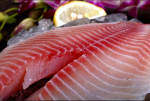
Tilapia can be cooked in various ways, such as braised in soy sauce or steamed. It is recommended to choose healthy cooking methods and avoid excessive addition of oil and salt. Individuals with tuberculosis, women during menstruation, those with bleeding disorders, or gout patients should consume tilapia with caution. These groups are advised to consult a doctor before eating tilapia.
-
In reality, professional tilapia farms are certified by national aquaculture permits and adopt ecological circular farming models. These core production areas strictly control water quality and feed safety from the source, ensuring every tilapia meets the standards of SC/T1025-2004 Nile Tilapia.
-
Tilapia, a cheap tropical fish, may ring a bell for many, but its "presence" in China's domestic market is surprisingly low. Despite its humble price, it is truly a "top student in foreign trade" within China's aquatic industry.
-
Since May 14, 2025, the tariff on Chinese tilapia products exported to the U.S. has been significantly reduced from 170% to 55%, a policy adjustment that has sparked high attention within the industry regarding market trends. According to Mr. Li, head of the raw material procurement department at a leading Guangdong-based export processing plant, U.S. buyers did increase purchases of Chinese tilapia in the 2-3 days after the policy took effect due to inventory shortages.
-
The U.S. suspension of tariff collection has caused the farm-gate price of Chinese tilapia to rise for the second consecutive week. This has provided a respite for the tilapia industry, which has long been forced to break away from the traditional export-oriented model and cultivate a robust domestic market.
|
|