|
Wholesale prices of US frozen tilapia (Oreochromis niloticus) remained largely stableTime:2026-07-29 20:12:30
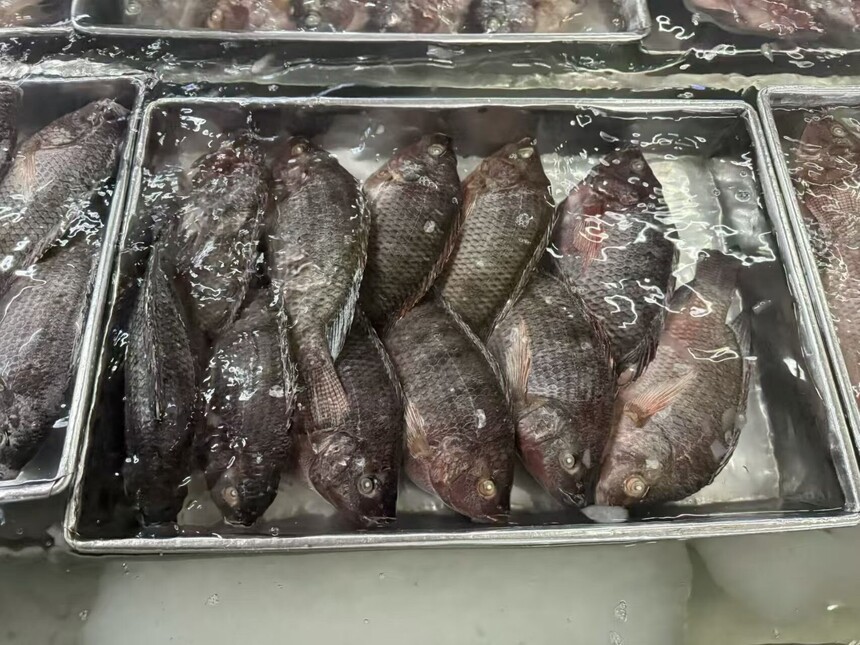
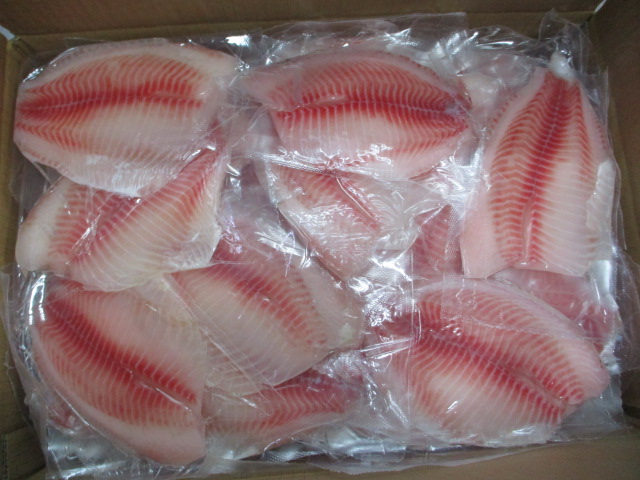
Wholesale prices of US frozen tilapia (Oreochromis niloticus) remained largely stable in Week 30, yet mounting pressures are building beneath the market’s calm surface. Tightened raw material supplies from China due to a sharp plunge in fry stocking volumes, uncertain US tariff policies, and a notable drop in import volumes are collectively pushing the market toward a more fragile equilibrium. This article analyzes the short-term trends and underlying risks of tilapia trade from three perspectives: the current US market landscape, shrinking supply from Chinese producing regions, and tariff standoffs.
Ample Inventories and Weak Demand Cap Price Hikes, while Rising Chinese Production Costs Reshape Market Fundamentals
Wholesale prices of frozen tilapia (Oreochromis niloticus) in the US held steady within existing quotation ranges in Week 30 without sharp fluctuations. This stability is primarily underpinned by well-stocked inventories held by US importers, coupled with weaker end-user purchasing demand compared with the same period last year, leaving buyers with no incentive to bid up prices. Nevertheless, upstream supply strains are intensifying. Pond gate prices in major producing areas of Guangdong and Guangxi in China have climbed, and shrinking pond stockpiles have limited raw fish availability for processing plants.
The repercussions of a roughly 50% year-on-year slump in fry stocking during the first half of 2026 are now fully emerging, with fewer market-sized fish available. Exacerbated by summer heatwaves, typhoon risks, and outbreaks of streptococcicosis, processors face mounting raw material costs. However, feeble export orders and squeezed profit margins restrict their capacity to pass cost increases downstream. This dynamic—rising production costs at origin paired with stagnant selling prices in destination markets—represents the core contradiction shaping the current market.
Divergent Farmgate Prices Across Southern China: Flat Rates in Hainan, Price Surges Led by Guangdong and Guangxi
Chinese farmgate prices showed regional divergence as of July 24. Processing plant procurement prices remained flat in Hainan Province: CNY 2.5 per jin for fish weighing 300–500 grams, and CNY 3.5 per jin for 500–800-gram fish, driven by muted local consumption and limited buying volumes from processors.
Tilapia supplies remained tight at pond gates in Maoming and Zhanjiang, Guangdong. Processing plant procurement prices stood at CNY 2.8 per jin for 300–500-gram fish and CNY 3.8 per jin for 500–800-gram fish, up CNY 0.1 per jin month-on-month. Live fish prices delivered by water trucks reached CNY 4.6 per jin, also rising CNY 0.1. Traders in the Pearl River Delta reported widespread supply shortages, with pond gate quotations for live tilapia climbing to CNY 4.8 per jin.
In Guangxi, procurement prices at Beihai processing plants held steady, yet live tilapia prices trended upward. Pond gate prices for fish over 600 grams hit CNY 4.7–4.8 per jin, an increase of approximately CNY 0.1 from the prior week. Live tilapia delivered by water trucks in Baise were quoted at CNY 5 per jin, up CNY 0.2. Supply shortfalls are rippling from aquaculture farms to processing facilities; further sustained raw material shortages will inevitably push processors’ procurement costs higher.
Persistent Section 301 Tariffs Drive 21.7% Year-on-Year US Import Drop, with African Markets Absorbing Redirected Chinese Exports
US tariff policies remain the biggest external risk facing the industry. Existing Section 301 tariffs apply to Chinese tilapia imports, yet deep divisions persist within America’s seafood sector over potential tariff exemptions for Chinese seafood products. The National Fisheries Institute advocates including commercial seafood in tariff revisions, while the Southern Shrimp Alliance firmly opposes such adjustments. The Trump administration intends to retain current tariffs on Chinese goods and may impose an additional 12.5% tariff via a new Section 301 probe tied to forced labor allegations.
The US imported roughly USD 1.3 billion worth of seafood from China in 2025, incurring nearly USD 391 million in tariff costs—equivalent to around 30% of total import value. High tariffs continue to stifle trade flows. Between January and May 2026, US imports of frozen tilapia fillets from China totalled approximately 66.1 million pounds, down 21.7% from 84.5 million pounds recorded in the same period of 2025.
Meanwhile, Chinese exporters are pivoting rapidly toward fast-growing African markets, with destinations such as Côte d’Ivoire capturing larger shares of China’s tilapia output. Slumping import volumes explain why US wholesale inventories are adequate yet not oversupplied. Should production costs at origin keep rising or tariff policies shift drastically, the market could face substantial upward price pressure. Pls contact us for tilapia orders: export@blueseafishery.cn Blue Sea Fishery Co., ltd. export@blueseafishery.cn wechat: DORIS85789 China tilapia price,Tilapia fish, china tilapia supplier, producer, tilapia exporter, tilapia manufacturer, seafoods supplier, tilapia gutted and scaled, tilapia fillets |