|
tilapia priceTime:2026-05-16
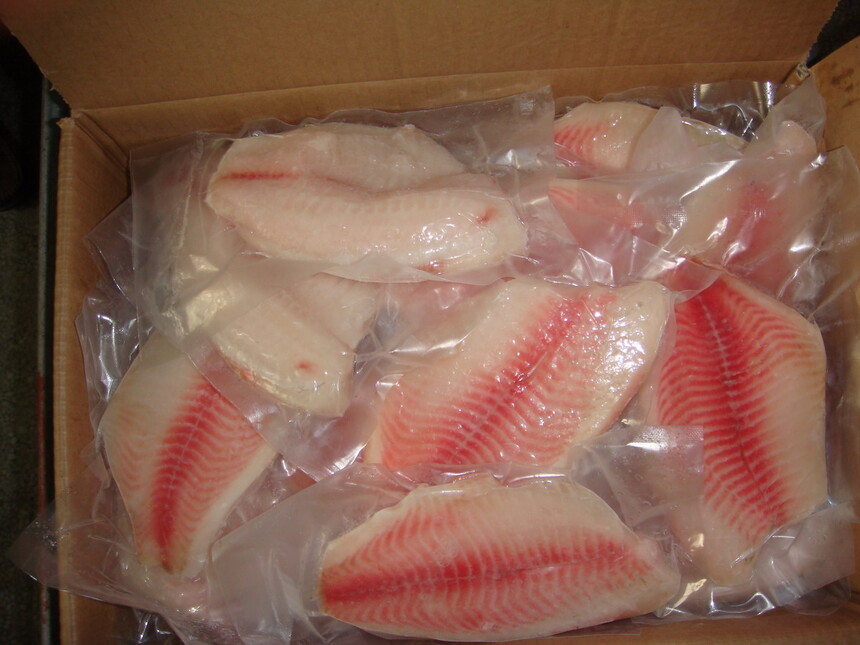
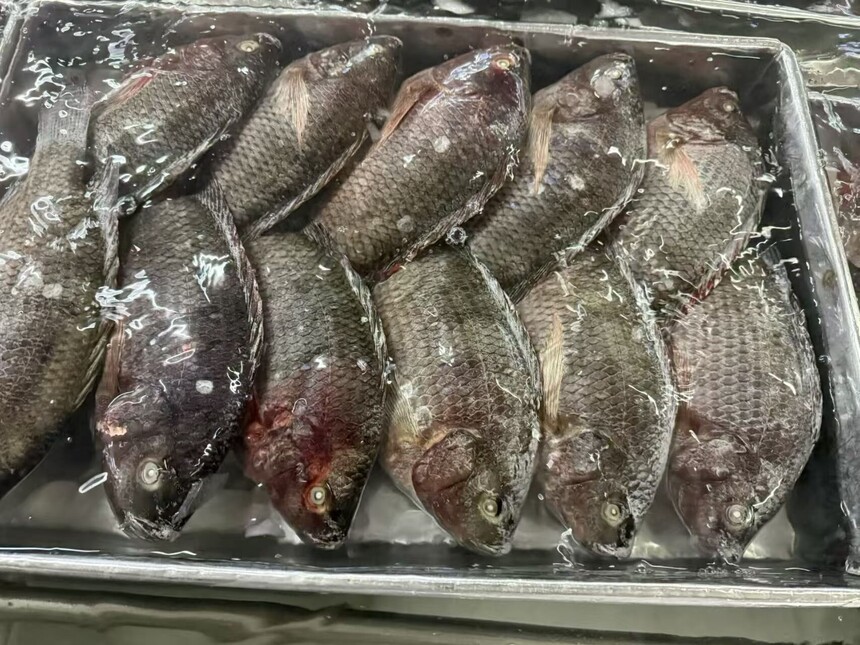
2026 Week 20 China Tilapia (Oreochromis niloticus) Market Report In Week 20 of 2026, China's tilapia (Oreochromis niloticus) raw material market presented a pattern of "weak supply and demand, and price stalemate". On the one hand, the short-term fishing peak triggered by the new Fisheries Law has passed, and the supply volume has returned to normal; on the other hand, the weak demand and falling wholesale prices in the US market have left processors with no reason to raise prices. Against the backdrop of accelerated export market diversification, China's tilapia industry is facing a painful transition period from "relying on the US" to "global layout". This report will analyze the current market dynamics, changes in export structure, and future price trends. Part 1 Raw Material Market: Supply Returns to Normal, Prices Lack Upward Momentum in the Short Term In Week 20 of 2026 (May 11-17), the purchasing prices for 500-800g tilapia raw fish at processing plants in major Chinese producing regions—Guangdong, Guangxi and Hainan—remained stable with no week-on-week fluctuations. On the supply side, affected by the implementation of China's new Fisheries Law, there was an obvious short-term concentrated fish harvesting phenomenon from late April to early May, but since the second week of May, fishing activities have returned to normal levels. A senior executive of a processing enterprise in Guangdong stated that the fishing volume dropped significantly last week, and the fish harvesting peak has basically ended. Although the current overall fishing volume is still lower than the same period last year, the weak demand at the export end has become the key factor suppressing price increases. The executive admitted that although there are purchasing activities in the US market, both the volume and price are unsatisfactory, and enterprises lack the motivation to raise prices; the industry's previous expectation of rising raw material prices in the second quarter has faced great difficulties in the face of reality. In contrast, the situation in Hainan's producing area is more stable, and local insiders expect raw material prices to remain stable in the coming weeks. Part 2 Overseas Market: US Wholesale Prices Slightly Down, Inventory Pressure Persists Developments in overseas markets also merit attention. In the United States, wholesale prices for frozen tilapia declined in Week 19 (May 4-10). Quotes for all fillet sizes (including water-added and chemically untreated products) generally fell by about $0.10 per pound (equivalent to a drop of about $0.22 per kilogram, or approximately RMB 1.58 per kilogram at the current exchange rate). The overall market supply is abundant, and high inventory levels continue to suppress prices. Buyers' purchasing mentality tends to be cautious, focusing more on covering short-term demand and prioritizing the digestion of existing inventories rather than actively building forward positions. Although sellers have attempted to stimulate transactions through price adjustments, the overall market trading activity is limited, and the transaction pace is relatively restrained.
Part 3 Export Pattern: Accelerated Diversification Transformation, Mexico and Côte d'Ivoire Rise Faced with fluctuations in the US market, Chinese tilapia (Oreochromis spp.) exporters are accelerating the promotion of market diversification strategies to reduce dependence on a single market. The latest trade data shows that from January to February 2026, Mexico and Côte d'Ivoire have surpassed the United States in the import volume of Chinese frozen tilapia, becoming two major emerging main markets. This change reflects that the efforts of Chinese export enterprises to actively expand the global sales network and reduce trade risks have initially achieved results. With the deepening of frameworks such as the "Belt and Road" Initiative and the Regional Comprehensive Economic Partnership (RCEP), the export territory of China's tilapia (Oreochromis spp.) is expected to further expand in the future, forming a more balanced and stable global market layout. In-depth Research The "stable state" of China's tilapia raw material prices in Week 20 of 2026 is essentially a fragile balance jointly affected by the contraction of the US market (demand-side suppression) and the disturbance of the new Fisheries Law (short-term stress on the supply side). The core contradiction lies in: although the diversification of export markets has reduced the risk of dependence on a single market, the low unit price of emerging markets cannot make up for the profit loss in the US market, leading enterprises to fall into the dilemma of "increasing volume but decreasing revenue". For Chinese practitioners, the most profound insight is that the tilapia industry is transforming from a "cost-driven bulk commodity export model" to a "market-driven differentiated product model". In the short term, seizing the restocking window after the US inventory digestion (expected in June-July) and the domestic summer consumption peak (barbecue, catering) are two relatively certain opportunity windows. In the medium term, accelerating the layout of high-growth markets in Africa and the Middle East, and at the same time elevating the product development of the domestic market (such as ready-to-eat and prepared dishes) to a strategic height will be the key to weathering the cycle. The future of tilapia lies not in the game of price ups and downs, but in the redefinition of value—from a "cheap fish" to a "fish with a story".
Pls contact us for orders: export@blueseafishery.cn Blue Sea Fishery Co., ltd. export@blueseafishery.cn wechat: DORIS85789 Tilapia price, China tilapia supplier/producer/factory/exporter, china seafoods supplier, tilapia fillets, tilapia gs(gutted and scaled) |