|
Tilapia Supply Crunch! Raw Material Shortage May Persist for Another Six Months; Chinese Processors Caught Between Soaring Costs and Export HeadwindsTime:2026-08-21 16:24:01
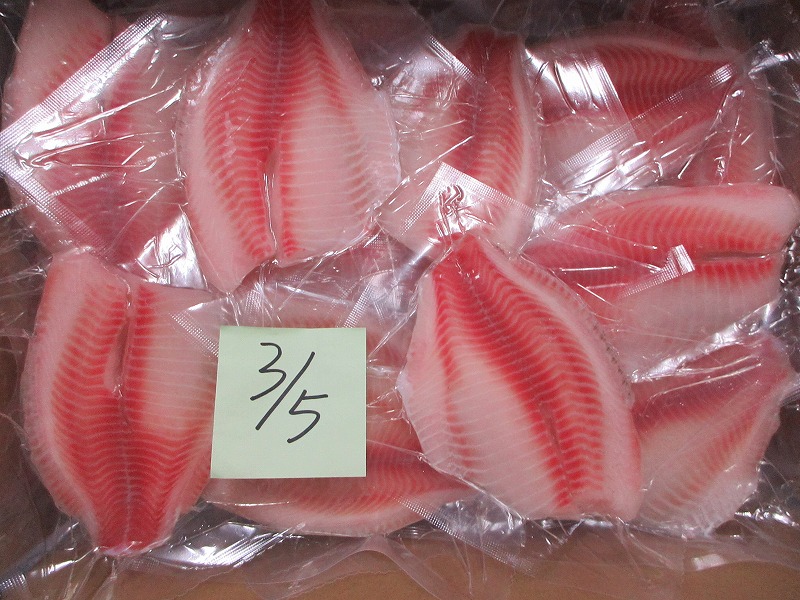
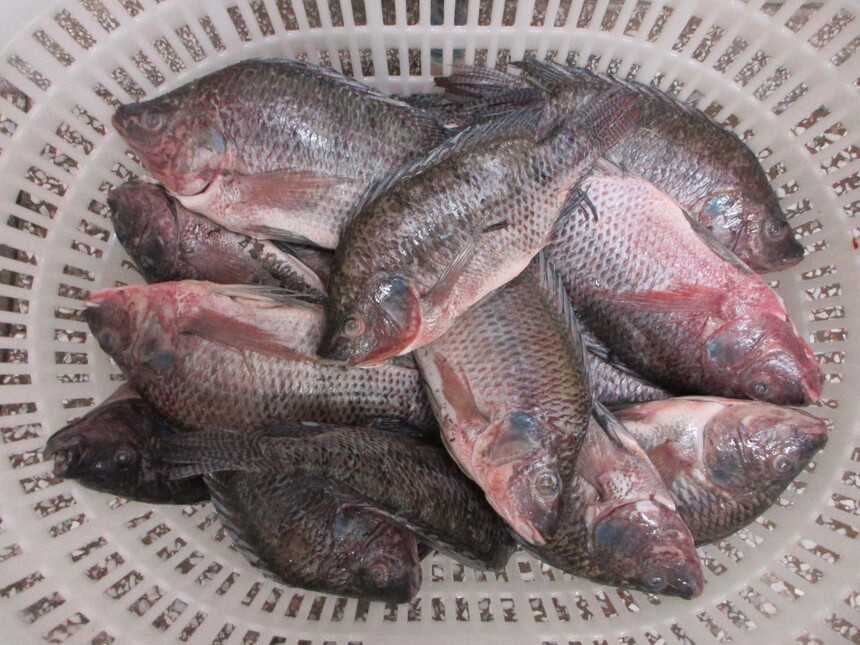
Frozen tilapia fillets3-5oz, ivp Pls contact us for tilapia orders: export@blueseafishery.cn Blue Sea Fishery Co., ltd. export@blueseafishery.cn wechat: DORIS85789 Tilapia Supply Crunch! Raw‑Material Shortage May Persist for Another Six Months; Chinese Processors Caught Between Soaring Costs and Export Headwinds After weeks of consecutive increases, raw‑material prices for tilapia in China have finally stabilized temporarily. Yet what truly concerns the market is not when prices will fall, but when adequate fish supplies will become available. In Week 34 of 2026 (August 17‑23), ex‑factory prices at processing plants in China’s three major tilapia‑producing regions — Guangdong, Guangxi and Hainan — held steady. Prices for the two primary size categories, 300‑500 g and 500‑800 g, were flat week‑on‑week. Stabilising prices do not mean supply pressures have eased. Industry insiders project that constrained by reduced fry stocking in the first half of the year and the tilapia farming cycle, tight raw‑material conditions could last into early 2027, with meaningful supply increases unlikely to arrive until around February next year at the earliest. Reduced Fry Stocking in H1 Triggers Raw‑Material Supply Gap The current tilapia raw‑material shortage stems largely from sluggish market conditions in the first half of this year. Long‑term depressed tilapia prices previously squeezed farmers’ profit margins. Some farmers cut fry stocking volumes, while others delayed restocking or switched to alternative aquaculture species. The impact of lower fry placements does not materialise immediately. As previously stocked fish were progressively sent to processing facilities, the volume of market‑ready adult fish dwindled, driving successive rises in raw‑material prices. Tilapia fry sales saw a partial recovery in August. An executive from a major fry producer, whose firm accounts for roughly 70 % of Hainan’s fry market, reported that August fry sales outperformed those of preceding months, signalling gradually restoring confidence among fish farmers. Even so, current fry orders remain lower than the same period in 2025. The incremental fry placements are insufficient to reverse raw‑material shortages in the short run. Roughly Six‑Month Cycle From Fry Stocking to Market Readiness It normally takes around six months for tilapia to grow from fry to processing‑ready size. Even if farmers scale up fry stocking starting in August, these fish will only reach marketable weight around February 2027. This means Chinese tilapia processors will continue to face limited raw‑material availability over the next six months. Temporary price stability during this period should not be misread as a return to normal supply‑demand balance. The steady prices observed for the 300‑500 g and 500‑800 g sizes represent a phase‑of consolidation following prolonged price hikes. Until new batches of adult fish enter the market, competition among processors for existing raw fish supplies will remain intense. Rebounding raw‑material prices benefit fish farmers. Past low prices dented farmers’ willingness to stock fry, whereas recent price gains have lifted farming sentiment. For processors, however, the situation is unfavourable: procurement costs are climbing while export product prices have failed to rise correspondingly, squeezing corporate profit margins from two sides. U.S. Wholesale Prices Yet to Follow the Upward Trend In Week 33, wholesale prices for frozen tilapia fillets in the United States stayed within existing quotation ranges. U.S. importers hold relatively sufficient inventories and maintain cautious purchasing stances. Most buyers are only covering near‑term orders without large‑scale restocking. Meanwhile, fierce competition persists among suppliers, leaving Chinese processors unable to fully pass higher raw‑material costs onto U.S. customers for the time being. A growing price divergence has emerged: domestic Chinese tilapia raw‑material prices keep firming, while U.S. wholesale market prices remain flat. If processors produce and replenish goods based on today’s elevated raw‑material costs, profit margins may shrink further. Should they raise export quotations, they risk reduced order volumes or customers shifting to competing supplying nations.
New Tariffs Complicate U.S. Order Viability Beyond raw‑material costs, new U.S. Section 301 tariff measures are reshaping Chinese tilapia exporters’ order‑taking decisions. In July, the United States unveiled new Section 301 duties covering 60 economies, with tariff rates set at 10 % and 12.5 %, alongside product‑specific exemptions. China falls under the 12.5 % tariff bracket. However, the market lacks clear visibility over how tilapia products will be treated, whether any exemptions will apply, and how these new duties stack with existing tariffs. Some Hainan‑based exporters note that under current raw‑material prices, export quotations and potential tariff expenses, certain U.S. orders can barely generate reasonable profits. Companies are now assessing not just order volume, but whether individual orders are commercially worthwhile. Such uncertainty hinders forward‑order negotiations. Importers hesitate to place large orders amid ambiguous tariff rules, while processors fear further cost inflation for raw materials and tariffs after locking in long‑term contracts. China’s Tilapia Fillet Exports to the U.S. Drop 16 % Between January and June 2026, U.S. imports of frozen tilapia fillets from China totalled approximately 78.57 million pounds (around 35 600 tonnes), down 16 % compared with the same period in 2025. China remains the leading supplier of frozen tilapia fillets for the U.S. market. Even so, as of end‑June, U.S. import volumes of Chinese tilapia have been overtaken by Mexico among China’s export destinations. Faced with shrinking U.S. orders, Chinese processors are accelerating their pursuit of alternative markets. African markets including Côte d’Ivoire are expanding rapidly and absorbing growing volumes of Chinese‑produced tilapia. Compared with the U.S. market, some African countries demonstrate higher acceptance for whole fish, diverse product specifications and varied price points, opening new outlets for Chinese exporters to absorb production capacity. That said, market diversification cannot deliver an immediate fix for falling processor profits; target markets differ notably in product specifications, payment terms, cold‑chain logistics and customer credit profiles. February Next Year May Become a Pivotal Supply Inflection Point China’s tilapia industry is undergoing a stark upstream‑downstream divergence. Fish farmers benefit from improved fish prices and are regressing confidence in fry stocking. Processors, by contrast, face compound pressures: rising raw‑material costs, subdued export prices and U.S. tariff‑related uncertainties. The August uptick in fry sales is an encouraging signal. Yet given the roughly six‑month farming cycle, this additional fry volume cannot be converted into processing‑grade fish immediately. Domestic raw‑material supplies are projected to stay tight until a new wave of tilapia comes onto the market around February 2027. Over the next six months, market focus will extend beyond whether raw‑material prices keep rising. Critical questions include whether farmers can sustain higher fry stocking, whether processors can absorb increased procurement costs, and whether alternative markets in Africa and elsewhere can take greater volumes of Chinese tilapia. For processing enterprises, the period ahead will present a delicate balancing act spanning raw‑material sourcing, order acquisition and profit preservation.
China tilapia price,Tilapia fish, china tilapia supplier, producer, tilapia exporter, tilapia manufacturer, seafoods supplier, tilapia gutted and scaled, tilapia fillets |