|
Severe Shortage of Tilapia in Hainan leads to tilapia price risesTime:2026-08-18 10:57:05
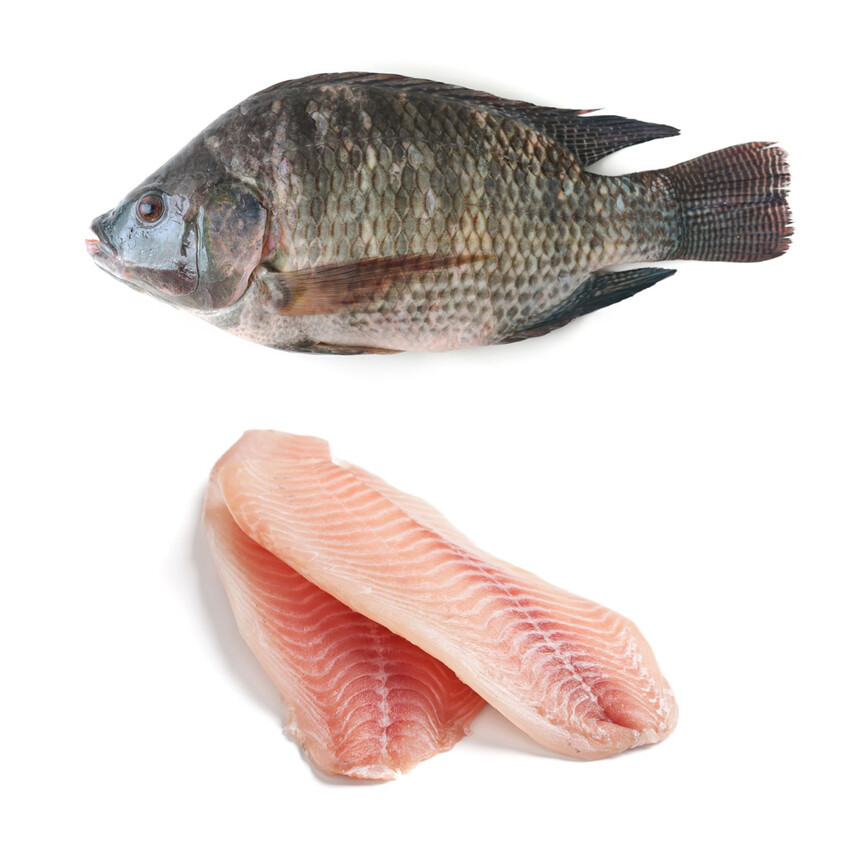
Pls contact us for tilapia orders: export@blueseafishery.cn Blue Sea Fishery Co., ltd. export@blueseafishery.cn wechat: DORIS85789 In Week 32 of 2026, the raw‑material market for Nile tilapia (Oreochromis niloticus) saw a divergent pattern: rising prices in Guangdong and Guangxi while prices in Hainan remained flat. Processor purchase prices in Guangdong and Guangxi climbed another ¥0.20 per kilogram, whereas Hainan’s prices stayed unchanged. The lagged impact of a 40%‑50% plunge in fry stocking volumes in the first half of the year continues to unfold. Tightening supply is driving prices higher. Nevertheless, high US tariffs and sluggish demand have put processors under dual pressure: rising costs amid limited room for selling‑price increases. This article analyzes core market developments for tilapia in Week 32 from three dimensions: rising raw‑material prices and tightening supply, export headwinds from US tariff pressures, and market restructuring plus future outlook.
Rising Raw‑material Prices and Tightening Supply — Prices Up ¥0.2/kg in Guangdong & Guangxi; Hainan Prices Stable yet Facing Acute Fish Shortages
In Week 32, raw‑material prices for Nile tilapia (Oreochromis niloticus) kept climbing in Guangdong and Guangxi. Processors in these two regions paid ¥0.20 more per kilogram week‑on‑week for fish of 300‑500 g and 500‑800 g specifications, while Hainan’s prices held steady. The price surge stems from the lagged effect of a year‑on‑year 40%‑50% collapse in fry stocking in the first half‑year: supply keeps tightening and competition among processors for raw fish intensifies.
On‑farm inventories of market‑size tilapia across South China have fallen sharply, signalling a turning point after prolonged low prices. Industry publications report an especially severe fish shortage in Hainan, where traders have ceased transporting fish out of Hainan to Guangdong.
Previously, when Hainan fish prices were low, supplies around Zhanjiang flowed into Hainan for sale. Now that Hainan prices have edged up, Zhanjiang‑origin fish has lost its price advantage, and distributors have largely stopped shipping fish to Hainan. Meanwhile, price rebounds are restoring farmers’ confidence in restocking fry, with fry placement volumes seeing a strong rebound recently.
US Tariff Pressures and Export Difficulties — 37.5% Combined Tariff Erodes Export Competitiveness
For the US market, new Section 301 tariffs took effect on July 24. Chinese tilapia is subject to an extra 12.5 % tariff on top of the existing 25 % duty, bringing the combined tax rate to 37.5 %. The tariff outlook remains uncertain. Hainan‑based exporters state that US‑bound orders yield no profit; whether to accept orders hinges on individual firms’ cost tolerance. In Week 32, wholesale prices for frozen tilapia in the US stayed stable amid adequate inventories and cautious purchasing. Higher raw‑material costs in China have not yet passed through to end‑markets in the United States.
US import statistics further confirm softening demand. Between January and May 2026, US imports of frozen tilapia fillets from China stood at approximately 66.1 million pounds, down 21.7 % from roughly 84.5 million pounds in the same period of 2025. China remains the leading supplier of frozen tilapia fillets to the US; even so, by May, exports to the US had fallen behind Mexico as a single export destination for Chinese tilapia. Processors operate in a tough environment of mounting raw‑material costs and depressed export prices, with profit margins severely squeezed.
Market Restructuring and Future Outlook — African Markets Gain Traction, Faster Shift toward Domestic Sales
China’s tilapia export landscape is undergoing profound transformation. Procurement volumes from the US, the long‑standing key market, have contracted notably. African markets including Côte d’Ivoire are absorbing a rapidly growing share of Chinese output, offering exporters an alternative amid US demand constraints and tariff risks. The Mexican market shows signs of recovery after volatility, while purchases from emerging markets in the Middle East and Latin America are expanding steadily.
Looking ahead, tight supply is unlikely to reverse in the short run, which should continue to underpin raw‑material prices. However, processors are expected to remain caught in a dilemma: higher raw‑material costs versus limited export pricing power. Although expanding domestic sales is frequently discussed, substantial market penetration proves challenging. Consumer awareness, product formats and pricing systems for tilapia in China all require rebuilding. For China’s tilapia industry, the second half of 2026 will serve as a stress‑test period. Its long‑term trajectory hinges on whether new growth avenues can be secured amid tariff barriers and fiercer competition.
The Week‑32 2026 Chinese Nile tilapia (Oreochromis niloticus) market features a scissors‑gap pattern: rising raw‑material costs alongside export hardships. This results from three combined factors: supply contraction triggered by the 40%‑50% first‑half fry slump, the implementation of US Section 301 tariffs (lifting combined duty to 37.5 %), and weak US market demand. Causally, shrinking supply pushes up raw‑fish prices, yet exports are restrained by steep tariffs and tepid demand, leaving processors trapped with thin margins. Trend‑wise, raw‑material prices will stay supported but with limited upside; US tariff policy represents the biggest source of uncertainty, and African plus other emerging markets will assume greater importance. In terms of impact assessment: Chinese aquafarmers should capitalise on price rallies to sell fish at opportune moments; processing‑exporters need to accelerate market diversification and product upgrading; US importers should monitor pass‑through effects of higher raw‑material costs; global traders ought to track African demand growth and Brazilian competitive dynamics.
Key insight: China’s tilapia industry is navigating a painful transition — shifting from volume‑dependent growth reliant on US demand toward quality‑driven competition and diversified market deployment. Higher raw‑fish prices are a short‑term symptom of supply shrinkage, whereas high US tariffs and muted demand constitute long‑term structural headwinds. The second half of 2026 acts as this transition’s stress test. Enterprises that successfully tap emerging markets, boost product added‑value and optimise supply‑chain efficiency will build stronger competitiveness in the post‑tariff era. The rise of African markets opens a new export window for Chinese tilapia, comparable in significance to the opening‑up of the US market two decades ago. China tilapia price,Tilapia fish, china tilapia supplier, producer, tilapia exporter, tilapia manufacturer, seafoods supplier, tilapia gutted and scaled, tilapia fillets |