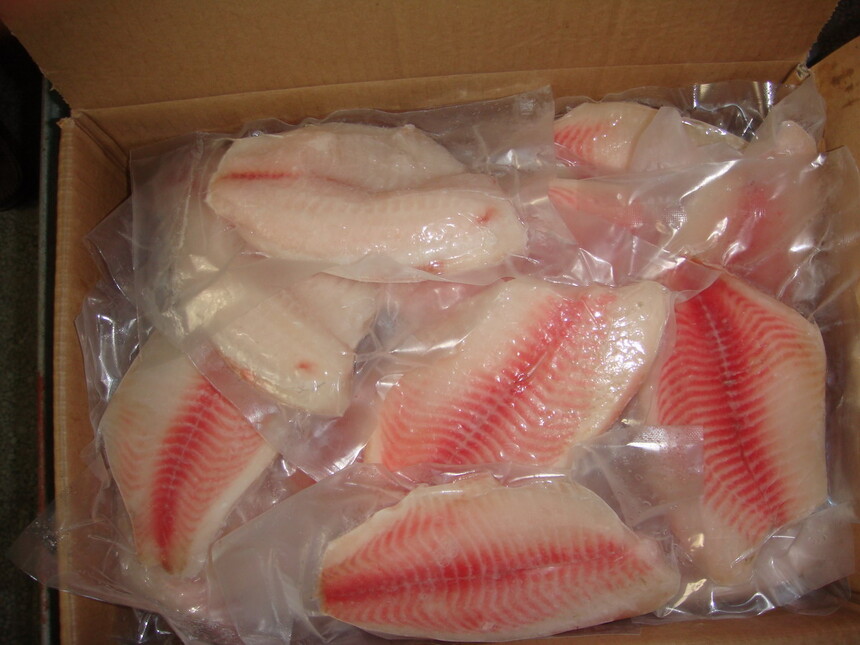
 Frozen tilapia fillets, IVP, China origin, 100%nw, 10kgs/carton, 3-50z, 5-7oz, at most competitive price
After Two Years of Losses, Is Tilapia Poised for a Turnaround? China and the US Reach Two Agreements: Tariff Cuts & Eased Detentions, With One Precondition...
Following the recent meeting between the heads of state of China and the US in Beijing, the two sides announced that their economic and trade teams have achieved balanced and fruitful cooperation. For domestic aquaculture farmers, two major favorable outcomes have emerged from the consultations.
The US has agreed to actively address the long-standing issue of automatic detention imposed on Chinese aquatic product exports. The two parties also agreed to slash tariffs on a range of goods. Industry insiders widely expect tariffs on key export products such as tilapia bound for the US to be reduced.
The domestic tilapia industry has been stuck in a prolonged slump. In major production areas including Guangdong and Hainan, the pond-gate purchase price for tilapia weighing 0.5kg to 0.8kg stands at only 3.5 to 3.6 yuan per jin, while the farming cost ranges from 4.5 to 5 yuan per jin. The vast majority of farmers are running at a loss. This year, fry stocking volume in the two regions plummeted by around 50% year-on-year, and many fry farms have seen zero sales for days on end. What exactly will these negotiation results bring to farmers?
Industry practitioners pointed out that if tariffs on Chinese tilapia exported to the US are lowered, the product’s export competitiveness will rebound rapidly. Processing plants will receive more orders and become more willing to purchase raw fish, which will most likely stabilize and lift pond-gate prices. Every 10 percentage points of tariff reduction will substantially cut export costs, leaving processors room to raise procurement prices.
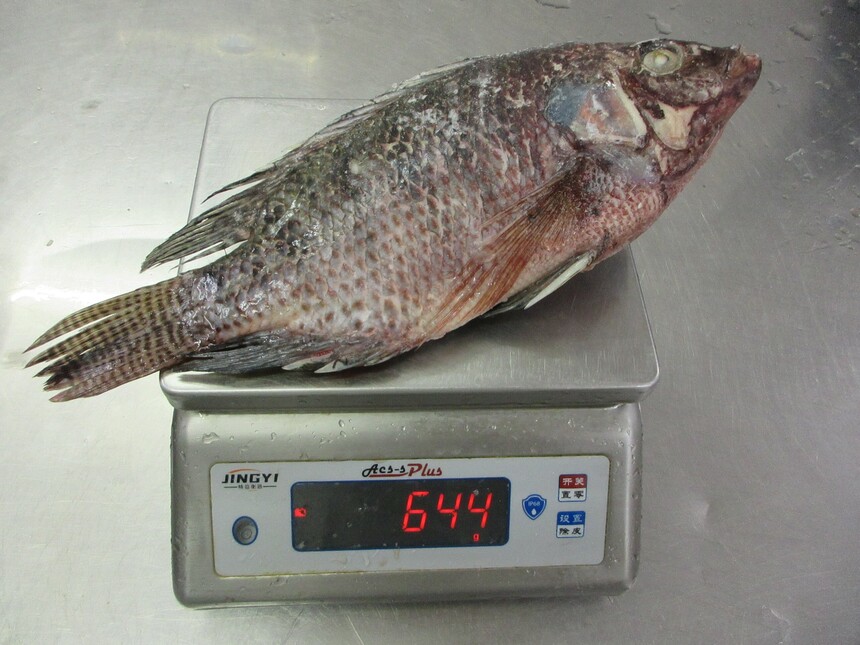 Frozen tilapia gutted and scaled(gs), China origin, 550-750g, IQF, IWP, 100%nw, 40lbs/carton, premium quality
The US is China’s top export market for tilapia. High tariffs in past years drove American buyers to switch to suppliers in Southeast Asia. Domestic processors were forced to lower fish purchase prices, keeping pond prices below the cost line for a long time. Once the tariff cuts take effect, combined with the peak export season in the second half of the year, pond-gate prices are expected to climb back to the cost level of 4.5 to 5 yuan per jin.
That said, tariff reductions will be implemented gradually. Detailed rules covering specific products and tariff rates are yet to be released. Farmers are advised to keep a close eye on market trends before making decisions.
For shrimp and shellfish farmers, the automatic detention rule has severely disrupted product sales.
What is automatic detention? It is a strict regulatory measure enforced by the US against Chinese aquatic products with previous non-compliance records. Shipments are detained immediately upon arrival at US ports. Exporters have to bear the cost of third-party testing themselves, extending customs clearance from several days to weeks and adding tens of thousands of yuan in extra costs per container. Many processing plants refused to take US orders due to the high risks, which in turn reduced their fish procurement.
China's Ministry of Commerce confirmed that the US will actively respond to China’s long-standing concerns over the automatic detention of aquatic products. While the rule will not be scrapped immediately, the issue has been formally put on the negotiation agenda. Going forward, smooth customs clearance is expected to resume via measures such as a whitelist for compliant enterprises.
One clear precondition for being included on the whitelist is that all seafood must meet strict safety standards. The automatic detention policy was originally introduced after repeated detections of prohibited veterinary drugs, including nitrofuran, malachite green and chloramphenicol. Only farmers with full product traceability systems and qualified test results will qualify for the whitelist in the future.
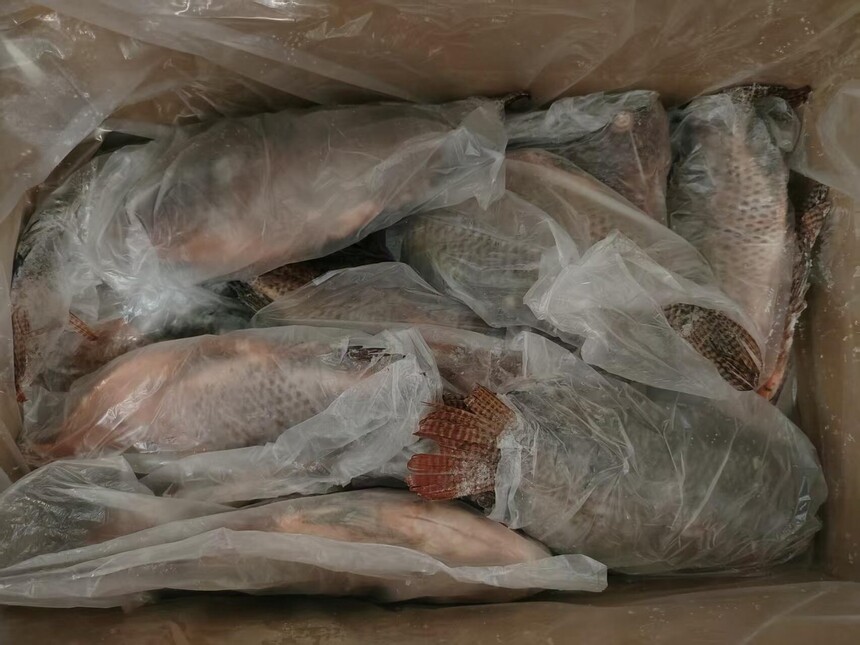 TILAPIA GS, 550-750G, IWP, 40LBS/CARTON
Two opposing forces are at work in the US imported seafood market. On one side, supermarkets, catering businesses and processing enterprises that rely on imports call for fewer trade barriers. On the other side, domestic wild-caught fishermen and their political advocates push hard for restrictions on imported farmed shrimp. In short, while the US is easing market access, it is also putting up new barriers.
For Chinese farmers, tilapia exporters have good reasons to anticipate tariff relief. Meanwhile, shrimp farmers need to stay vigilant, as groups protecting the US domestic shrimp industry may introduce new restrictions at any time.
Domestic consumption is upgrading, and trade within the RCEP bloc, as well as markets in the Middle East and Africa, are expanding steadily. Diversifying sales channels will help shrimp farmers build greater resilience against market risks.
Welcome to contact us for tilapia fish orders: export@blueseafishery.cn
Blue Sea Fishery Co., Ltd.
www.blueseafishery.cn
export@blueseafishery.cn
wechat: DORIS85789