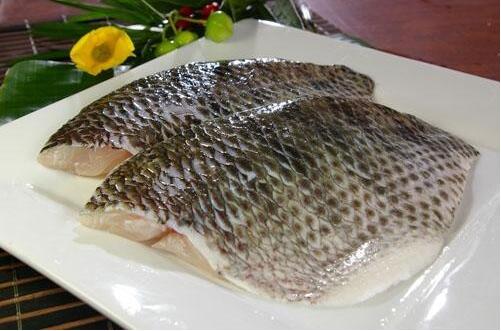
Vietnam Targets $12 Billion Annual Aquatic Export Value! Tilapia Exports Surge 190%, Emerging as Biggest Dark Horse
In the first four months of 2026, Vietnam’s aquatic product export volume hit 3.7 billion US dollars, a year-on-year increase of nearly 15%, sustaining the strong recovery momentum since 2025. The explosive growth of exports to China has served as the core driving force, with shipments to China jumping by nearly 45% in the first quarter, effectively offsetting sluggish demand in traditional markets such as the United States and Japan. Nevertheless, structural risks cannot be overlooked. Raw material shortages, labor shortages, rising reliance on the Chinese market, and stricter U.S. trade and technical barriers have cast uncertainties over the industry’s long-term sustainable development. This article elaborates on the latest export statistics, market pattern shifts and future challenges facing Vietnam’s aquatic product sector.
Exports Hit $3.7 Billion in First Four Months, Single-month Exports Reach $948 Million in April
According to the latest data released by the Vietnam Association of Seafood Exporters and Producers (VASEP), Vietnam’s seafood exports reached $3.7 billion in the first four months of 2026, up nearly 15% year on year. Exports stood at $947.8 million solely in April, mainly boosted by improving demand across major consumption markets. For reference, Vietnam’s full-year seafood exports totaled nearly $11.3 billion in 2025, rising 12.4% year on year, and this upward trend has continued into 2026.
By product category, shrimp remains the pillar of Vietnam’s seafood exports, among which high-value lobsters are highly reliant on China’s high-end consumption market. Exports of pangasius stay steady, with its output climbing 5.9% year on year in Q1. Whiteleg shrimp output increased by 8.5% year on year. Notably, tilapia has become a new highlight of growth, posting Q1 export value of 35 million US dollars, skyrocketing by 190% compared with the same period last year.
China Acts as Core Growth Engine Amid Mounting Structural Risks
In terms of market distribution, China (including Hong Kong) remains Vietnam’s largest seafood export destination, with Q1 export value hitting $764 million, surging nearly 45% year on year. Such robust growth is mainly driven by three factors: consumption boom during China’s Spring Festival peak season, supply gap of high-end live lobsters in China due to adjusted Canadian supplies, and convenient cross-border logistics between China and Vietnam. Japan and the United States rank the second and third largest export markets respectively.
However, heavy reliance on the Chinese market also brings hidden structural risks. VASEP pointed out that the sharp Q1 growth is partly driven by short-term seasonal factors. After the Spring Festival consumption peak fades and domestic inventories are replenished, China’s monthly import demand may gradually cool down. Meanwhile, rival suppliers including Ecuador are actively tapping into the Chinese market, seizing market share by virtue of mature supply chains and price advantages.
In the U.S. market, Vietnam’s seafood exports dropped more than 10% year on year in Q1, mainly restricted by compliance requirements under the Marine Mammal Protection Act (MMPA), anti-dumping duties on shrimp and other technical and trade barriers. Demand in East Asian markets including Japan and South Korea shows no obvious improvement, while exports to the EU remain flat with weak growth momentum.
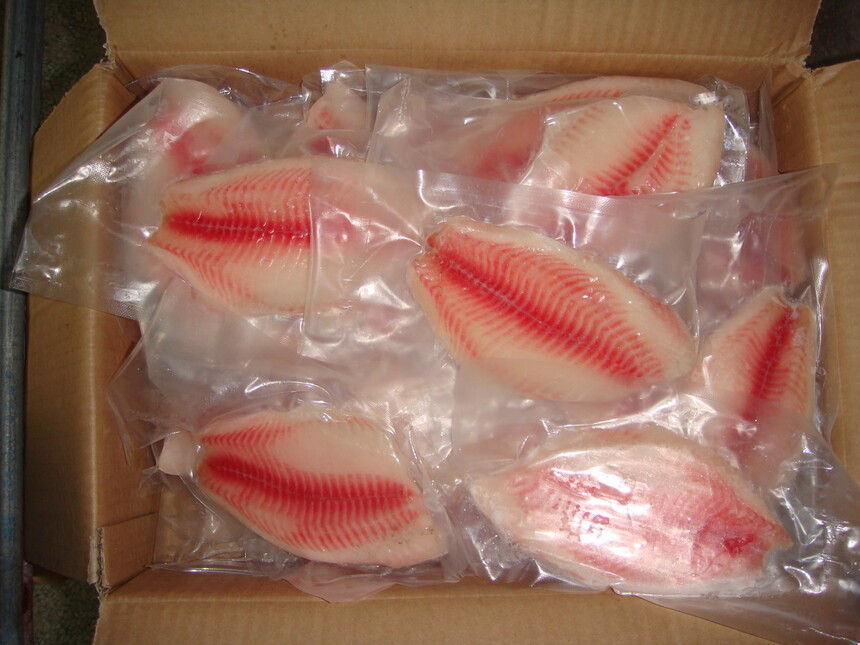
Frozen tilapia fillets(Oreochromis Niloticus), IVP, 100%NW, 10lbs/carton, China origin
Annual Export Target Exceeds $12 Billion, VASEP Calls for Accelerated Industry Reform
Vietnam’s seafood industry has set an annual growth target of 8% to 10% for 2026, aiming to push total export value beyond 12 billion US dollars. To achieve this goal, institutional reforms, lower compliance costs and improved trade facilitation are urgently needed.
VASEP warns that the industry is still confronted with multiple structural challenges, including raw material shortages, labor constraints, high costs of feed and fry, frequent disease risks, plus increasingly stringent trade protection measures and technical regulations in major importing countries.
The association urges authorities to speed up regulatory revisions, digitalize export procedures, stabilize labor supply and optimize raw material sourcing plans to secure long-term steady industrial expansion. Against intensifying market competition, Vietnam’s seafood sector needs to accelerate market diversification, actively explore emerging markets such as ASEAN nations and Australia with favorable geographical advantages and FTA tariff benefits, so as to reduce operational risks brought by over-reliance on a single market.
Blue Sea fishery co., Ltd
www.blueseafishery.cn
export@blueseafishery.cn
wechat: DORIS85789
tilapia price,Tilapia fish, china tilapia supplier, producer, tilapia exporter, tilapia manufacturer, seafoods supplier, tilapia gutted and scaled, tilapia fillets