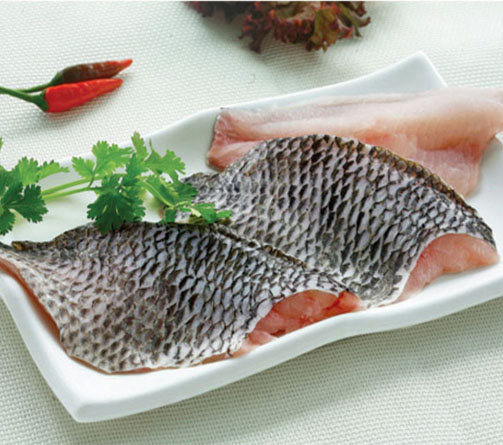
Tilapia Imports Plunge by 27%! Heavy Inventory Pushes Prices Further Down, While Pangasius Stagnates Amid Supply Shortages
In Week 20 of 2026, the U.S. wholesale farmed whitefish market showed two totally different trends. Prices of Chinese tilapia kept falling as seen since the second quarter, weighed down by excessive inventories and sluggish demand. By contrast, Vietnamese pangasius prices remained firm at high levels, supported by tight supply and high costs. The price gap between the two species keeps widening, reflecting fundamental differences in their respective supply chains. This article analyzes the latest market movements, core driving factors and future outlook for tilapia and pangasius.
Tilapia Prices Keep Sliding Hit by High Inventories and Weak Demand
In Week 20 of 2026 (May 11-17), wholesale prices of frozen Chinese tilapia (Oreochromis spp.) in the U.S. continued their downward trend that has prevailed throughout Q2. All mainstream fillet sizes, including water-injected and chemical-free products (still carrying a premium of $0.20 per pound), dropped by around $0.10 per pound. The price gap compared with the same period last year has reached $1.10 per pound.
The market is still dragged down by bloated inventories and sluggish downstream demand. Buyers focus on adjusting existing stock positions rather than making long-term bulk purchases, while sellers offer selective price cuts to boost shipments. Market transactions remain cautious with no urgent purchasing sentiment on either side.
At the source end, raw tilapia prices in major Chinese producing areas including Guangdong, Guangxi and Hainan have stabilized after a temporary fishing surge driven by the revised Fisheries Law. Current fish output is still lower than last year, yet weak export demand discourages processors from raising procurement prices. Earlier market expectations for a strong rebound in raw material prices in Q2 have faded substantially amid dull export conditions. Sustained weak U.S. demand caps price upside, and Chinese exporters are actively diversifying overseas markets away from the United States amid lingering tariff uncertainties and unfavorable pricing.
Latest trade statistics show that China’s tilapia imports into the U.S. slumped 27.1% year-on-year as of March 2026, standing 15.6% below the five-year average level.
Pangasius Prices Stay Firm Backed by Tight Supply and High Costs
The pangasius (Pangasius bocourti / Pangasius hypophthalmus) market presents a sharp contrast. U.S. wholesale pangasius prices hold steady at high levels with almost no room for discount. Supply remains the core determining factor: Vietnamese raw material supply is expected to stay tight throughout summer with no notable relief until September, when fingerlings stocked after Lunar New Year will reach marketable size. Farmers remain hesitant to expand farming scale due to poor historical profits, rising farming risks and the species’ long growth cycle.
High production costs further underpin market prices. Expenses on feed, freight, logistics and fingerlings stay elevated. Rising fry prices and low survival rates keep squeezing farmers’ profits and curbing production expansion. Meanwhile, pangasius maintains its edge as an affordable option among whitefish products, especially when cod and haddock prices stay at historically high levels. Although buyers are reluctant to place long-term firm orders due to high substitute costs and uncertain downstream consumption, prices remain solid given insufficient supply relief.
Tariff Adjustments & Shifting Trade Flows Suggest Continued Market Divergence
After the proposed reciprocal 20% tariff was revised to a unified 10% tariff rate, U.S. seafood imports picked up notably in March, as importers restocked actively in anticipation of tighter market conditions later this year. Nevertheless, the policy change exerts totally different impacts on the two products. Tilapia importers are troubled by persistent uncertainties surrounding Chinese-origin goods, while pangasius traders benefit from a relatively stable tariff environment for Vietnamese products.
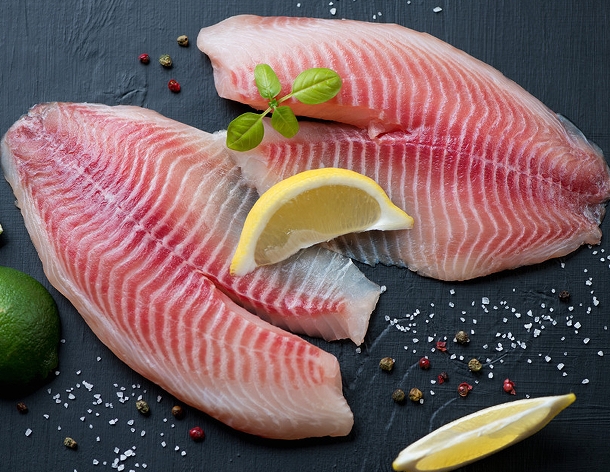
Overall, the farmed whitefish market is fully split. Despite stable raw material supply conditions, tilapia is suppressed by inventory pressure and fading demand; pangasius keeps strong momentum thanks to structural supply shortages and high alternative product costs. This divergence will persist in the short run. Buyers are advised to adjust purchasing strategies flexibly.
The U.S. farmed whitefish market is now in a historic divided cycle. Chinese tilapia is trapped by triple pressures: high inventory, weak consumption and heavy tariffs, leading to persistent price declines. Vietnamese pangasius maintains high prices supported by raw material shortages, high operating costs and favorable tariff policies.
This market separation will not reverse anytime soon. It will take at least 2 to 3 months to digest excess tilapia stocks, while tight pangasius supply is set to last until September.
Procurement Strategy Suggestions:
Stock up tilapia moderately on dips to lower average purchase cost while staying alert to future tariff risks; secure pangasius supply via monthly or quarterly forward contracts to avoid chasing soaring spot prices amid peak supply shortages.
In the long term, the sustainable development of China’s tilapia industry hinges on industrial upgrading — shifting focus from export reliance to domestic consumption expansion and transforming low-end bulk sales into branded premium products. Meanwhile, Vietnamese pangasius producers need to guard against cyclical risks brought by blind overcapacity expansion.
Pls contact China tilapia supplier Blue Sea Fishery for tilapia orders: export@blueseafishery.cn
Blue Sea Fishery Co., Ltd.
www.blueseafishery.cn
E-mail: export@blueseafishery.cn
Wechat: DORIS85789
China tilapia supplier/exporter/producer/seller, tilapia fillets, tilapia gs(gutted and scaled)