

|
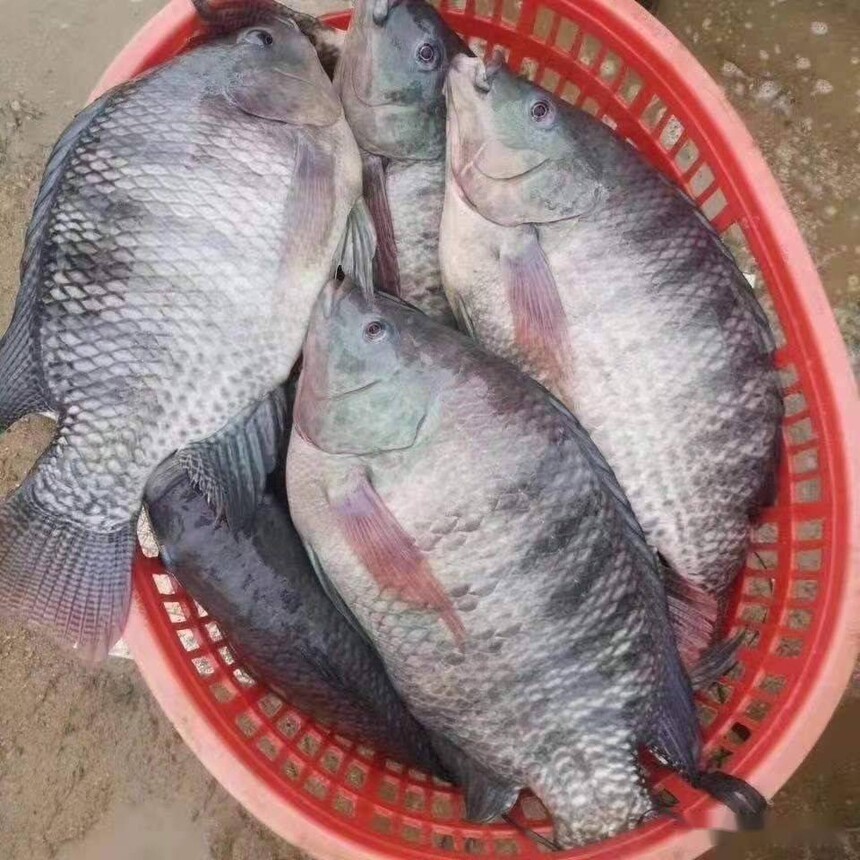
tilapia price remains flatChinese Tilapia (Oreochromis mossambicus) Market Analysis - Week 43, 2025
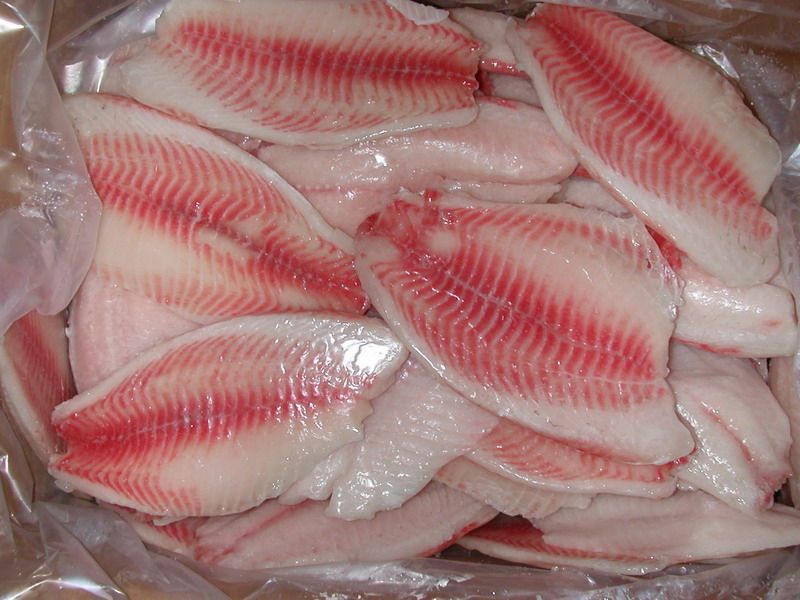
In Week 43 of 2025, the origin prices of Chinese tilapia (scientific name: Oreochromis mossambicus) continued to decline. The ex-farm prices in Guangdong and Guangxi generally fell below the threshold of 7 yuan per kilogram. This round of price drop was mainly suppressed by two major factors: first, the domestic aquaculture supply remained sufficient, and processing plants carried out smooth procurement; second, although the 100% tariff threat previously proposed by the United States had been "withdrawn", the uncertainty of its policies still made all parties in the export industrial chain extremely cautious, and most U.S. importers suspended purchases to wait and see. Meanwhile, the price of Chinese frozen tilapia fillets in the U.S. wholesale market remained flat due to high inventory levels and weak catering demand, with an overall sluggish market sentiment.
In Week 43 of October 2025, the ex-farm prices of tilapia in major producing areas of China continued to decline. The price of commercial tilapia with a size of 500-800 grams in Guangdong and Guangxi dropped to 6.8 yuan per kilogram, a decrease of 0.2 yuan per kilogram compared with the previous week. The dual pressures of domestic oversupply and U.S. tariff uncertainty trapped the export market in a wait-and-see deadlock.
I. Dual Pressures: Tilapia Oversupply and Tariff Uncertainty
Data from tilapia farmers in Zhanjiang, Guangdong, showed that the current stock of tilapia in ponds increased by 15% year-on-year, and the daily average procurement volume of processing enterprises remained at a high level of 800 tons. However, due to the uncertainty of the Trump administration’s tariff policies, U.S. importers have suspended new procurement plans after November. Liu Wei, head of a processing enterprise in Zhuhai, confirmed: "The supply of raw fish is sufficient, but U.S. orders have plummeted by 30%, resulting in operating rates of less than 70% for some factories." The only exception is the Hainan producing area – as it focuses on the domestic high-end market, its price remained stable at the threshold of 7 yuan per kilogram.
II. U.S. Tilapia Market Falls into "Fatigued Stagnation"
In Week 42, the wholesale price of frozen tilapia fillets in the U.S. remained flat, but the inventory-to-sales ratio rose to 1.5. From January to July this year, China’s tilapia exports to the U.S. increased by 25-30%, yet the current catering demand in the U.S. remained sluggish. David Chen, a New York-based aquatic product importer, said: "Buyers have enough inventory to last 45 days; currently, they only consume existing inventory and wait for policy clarity." This wait-and-see attitude has led the U.S. market to a stalemate of "high inventory and low transactions". III. Dependence on Tilapia Exports and Dilemma of Industrial Upgrading
Tilapia is one of China’s largest export-oriented aquatic products, with an annual output of over 1.6 million tons, 40% of which relies on exports. The U.S. market accounts for 35% of China’s tilapia export share, but in recent years, competitors from Vietnam and Indonesia have seized market share with cost advantages. Statistics from the China Aquatic Products Circulation and Processing Association show that in 2025, the aquaculture cost of tilapia increased by 8% year-on-year, while the average export price only rose slightly by 2%. The industry is facing the pressure of a "scissors gap" – rising costs and falling prices.
This round of price decline has exposed the systemic risks of export-oriented industries. Wang Haifeng, an expert from the Chinese Fishery Economy Research Institute, pointed out: "When policy fluctuations in a single market can disrupt the entire industrial chain, building a 'domestic-international dual circulation' has become a survival necessity rather than a development option." The essence of this round of sluggish price decline of Chinese tilapia lies in the structural imbalance caused by the combination of "sudden freeze" in cross-border procurement triggered by geopolitical risks and the rigid release of domestic aquaculture supply. However, the core contradiction has shifted from a simple supply-demand imbalance to the difficult-to-quantify "policy expectation management". The key to market recovery lies in whether the APEC Summit in early November can release clear trade policy signals.
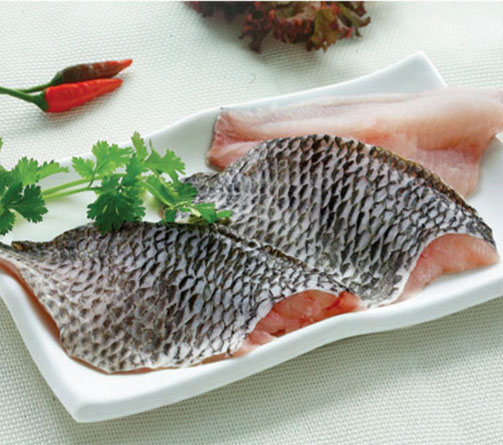
Based on the current market situation, it is recommended that Chinese tilapia practitioners elevate the urgency of market development to a strategic level: on the one hand, fully promote the diversification of export markets to reduce dependence on the single U.S. market; on the other hand, deepen the development of domestic consumer markets to tap into domestic sales potential and build a production and sales system with stronger risk resistance. Meanwhile, U.S. buyers need to prepare contingency plans while remaining cautiously optimistic, and use the current period of low prices in Chinese producing areas to conduct strategic evaluations. The dilemma of the tilapia industry once again warns that in the context of growing countercurrents against globalization, the industrial model highly dependent on a single export market is extremely vulnerable. Tilapia fish, china tilapia supplier, producer, tilapia exporter, tilapia manufacturer, seafoods supplier, tilapia gutted and scaled, tilapia fillets
|