|
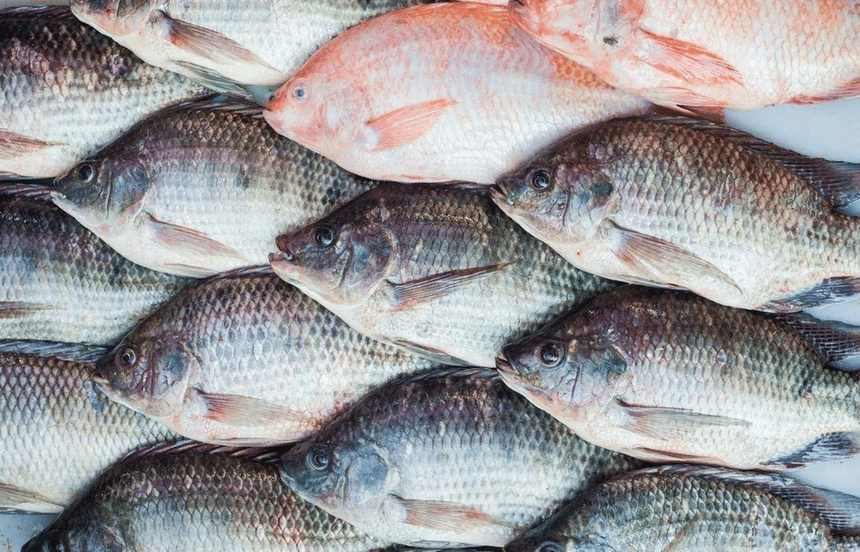
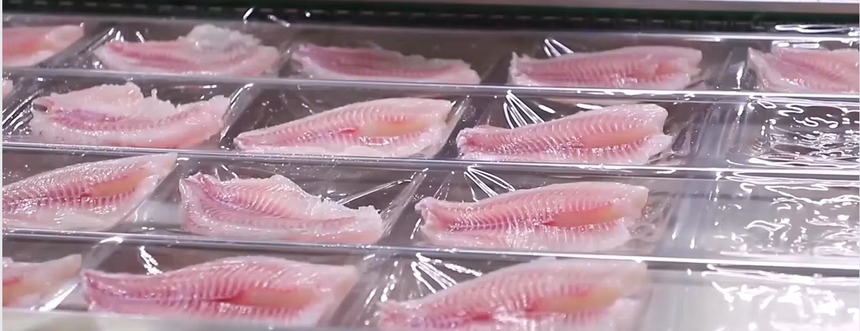
Tilapia price dropsWeek 15, 2026 (April 6 – April 12) Tilapia Market Report During Week 15 of 2026 (April 6–April 12), the tilapia market in South China showed a diverging trend. Prices of raw tilapia in Guangdong dropped noticeably, as processing firms actively pushed down procurement prices to restore export competitiveness. Meanwhile, tilapia prices in Hainan and Guangxi remained stable. Latest market data shows that the factory-gate price of tilapia in the 500–800g size range in Guangdong decreased by 0.6 yuan per kilogram. For some time previously, raw material costs in Guangdong had remained higher than in Hainan, eroding local processors’ pricing advantage in the international market. This proactive price cut aims to narrow regional cost gaps while offsetting pressure from rising freight costs.
According to feedback from processing enterprises, under the current foreign trade environment, pricing has become a key factor in securing orders. Once the raw material segment loses its cost edge, it becomes difficult for processors to maintain viable export pricing. The lower purchase price in Guangdong has directly improved enterprises’ order-taking capacity. Farmers have already adjusted their practices ahead of time. Following a prolonged previous downward price cycle, most farmers have adopted cost-cutting strategies, including reducing stocking density and controlling feed input. Disease conditions have been relatively stable; no large-scale streptococcus outbreaks have occurred so far this year, keeping farming risks at a low level. Under the current cost structure, some farmers can still maintain slim profits, provided they own their ponds and incur no rental expenses. Once land rental costs are added, profit margins shrink rapidly. The feed sector shows clear divergence. From March to April, rising fishmeal prices pushed most aquafeed prices higher, yet tilapia feed proved an exception. On one hand, tilapia feed contains a relatively low share of fishmeal and is less sensitive to raw material increases. On the other hand, given weak prices at the farming end, raising feed prices would risk customer attrition.
Feed enterprises have generally chosen to keep prices stable to preserve market share. At this stage, profit margins on tilapia feed are thin, and operators rely more on scale to sustain operations. On the export market, end prices in the United States remained steady. In Week 14, U.S. wholesale markets continued to digest existing inventories. Buyers focused on stock reduction with weak restocking interest, and transactions were driven mostly by rigid demand. The market remained in relative supply-demand balance, with no significant price fluctuations. Inventory pressure continues to cap upward price potential. Although inquiries increased after the Boston Seafood Show, overall inventory levels remain high, and buyers prefer to draw down existing stocks rather than expand purchases. Cost-side pressures keep building. A stronger RMB, rising ocean freight rates, and higher fuel costs are all pushing up export expenses. Turmoil in the Middle East has disrupted shipping routes, prolonging transit times and increasing cost volatility. Trade policy factors still bring uncertainty. The comprehensive tariff rate for Chinese tilapia entering the U.S. market is currently estimated at around 40%. Combined with other potential tariff variables, enterprises’ pricing room has been further squeezed. The downward adjustment of raw material prices in Guangdong has become a direct short-term measure to boost export competitiveness. Processing firms are lowering procurement costs to secure order volume, while farmers are cutting expenses to maintain basic profits. The entire industrial chain has entered an operating model centered on cost control. China tilapia supplier/exporter/producer/manuafcturer, China seafoods supplier/exporter/producer |